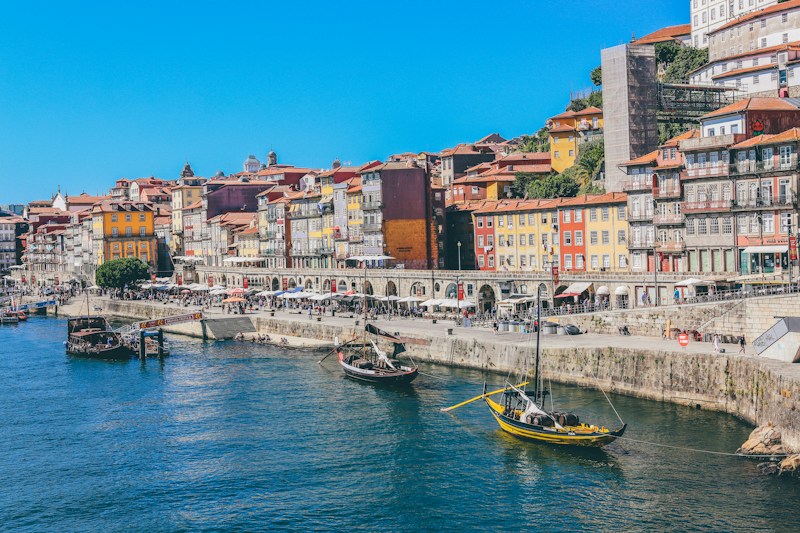
Why I Left Italy
I'm Marco, a 34-year-old freelance UX designer from Milan. In January 2025, I packed two suitcases and moved to Lisbon. This is not a "travel blogger" story — this is a raw, honest account of what relocating to Portugal actually looks like when you're doing it alone, with a regular income, and zero connections in the country.
Let me start with why. Italy is beautiful. The food is unmatched. But as a freelancer earning €45,000/year, I was paying 43% effective tax rate including IRPEF, INPS contributions, and regional surcharges. After taxes, I was left with roughly €25,500. My rent in Milan was €1,400/month. Do the math — I was barely surviving in one of Europe's most expensive cities.
When I discovered Portugal's NHR (Non-Habitual Resident) regime, everything changed. A potential flat 20% rate on my freelance income? I was skeptical, but the numbers were too compelling to ignore.
The Research Phase (3 Months Before Moving)
Tax Deep Dive
I spent weeks on ReloMap comparing tax scenarios. Here's what I discovered:
Italy: €45,000 gross → ~€25,500 net (43% effective rate)
Portugal NHR: €45,000 gross → ~€36,000 net (20% flat rate)
That's €10,500 more per year in my pocket. Over the NHR's 10-year duration, we're talking about potentially €100,000+ in savings. But the devil is in the details.
The NHR regime changed significantly in 2024. The new version is more restrictive — you need to work for a qualified employer or in a "high value-added" profession. As a UX designer, I qualified under the "architects and engineers" category, but I had to provide documentation proving my specialization. This took three weeks of back-and-forth with the Portuguese tax authority (Autoridade Tributária).
Housing Research
Lisbon's rental market is brutal. I made every mistake in the book:
- I signed a lease remotely — Don't do this. I rented an apartment in Alfama through an agency that looked legitimate. The photos were real, the contract looked proper. But when I arrived, the apartment had severe mold issues that weren't visible in photos. Getting out of that lease cost me €2,000 in legal fees.
- I underestimated rental prices — In 2025, a decent 1-bedroom in Lisbon center costs €1,200-1,500. Not the €800 you see in some "move to Portugal" YouTube videos from 2021. Those prices are gone.
- Idealista.pt is your friend — But only for browsing. The best apartments are found through local Facebook groups ("Arrendar em Lisboa") and word of mouth.
What Actually Worked
After the mold apartment disaster, I booked an Airbnb for one month (€1,100) and apartment-hunted in person. I found my current place in Santos — a renovated 1-bedroom with good natural light for €1,250/month. The landlord is Portuguese, speaks some English, and has been incredibly helpful.
Pro tip: Portuguese landlords strongly prefer tenants who can show proof of regular income and offer 2-3 months upfront. My bank statements sealed the deal.
The Bureaucracy Phase (First 2 Months)
NIF (Número de Identificação Fiscal)
You need this for literally everything — opening a bank account, signing a lease, getting a phone contract. You can get it at the local Finanças office or through a fiscal representative.
I used a fiscal representative (€150) because the wait times at Finanças in Lisbon are insane — I'm talking 3-4 hours with no guarantee of being seen. The representative got my NIF in 48 hours.
Residency Registration
After getting my NIF and signing my lease, I needed to register at the local Junta de Freguesia (parish council). This was surprisingly painless — 30 minutes, no appointment needed. They gave me a proof of residency document on the spot.
Bank Account
I opened an account at ActivoBank (the digital-friendly subsidiary of Millennium BCP). The process took 45 minutes at the branch. You need: passport, NIF, proof of address (utility bill or lease), proof of income.
Warning: Portuguese banks are stuck in the 1990s when it comes to digital experience. The app crashes, transfers take 2-3 business days, and customer support is Portuguese-only. I keep my Revolut as my primary card and use the Portuguese account only for rent and local direct debits.
Social Security (Segurança Social)
As a freelancer, I registered as a "trabalhador independente" (independent worker). The contribution rate is 21.4% of 70% of your declared income — effectively about 15% of gross income. This was an unpleasant surprise that many NHR guides conveniently forget to mention.
So my actual effective rate wasn't 20% — it was closer to 35% including social security. Still better than Italy's 43%, but not the dramatic difference I expected.
The Real Cost of Living in Lisbon (My Actual Numbers)
After 18 months, here's my real monthly budget:
| Category | Monthly Cost | Notes |
|---|---|---|
| Rent | €1,250 | 1BR in Santos, utilities included |
| Groceries | €280 | Pingo Doce + Lidl, cooking 80% at home |
| Eating out | €200 | 3-4 meals/week out, mostly lunches |
| Transport | €40 | Navegante card (unlimited metro/bus) |
| Utilities | €0 | Included in rent |
| Internet | €35 | NOS 500Mbps fiber |
| Phone | €15 | MEO prepaid |
| Health insurance | €95 | Allianz private (mandatory for NHR) |
| Gym | €40 | Fitness Hut |
| Co-working | €0 | I work from home + cafes |
| Entertainment | €150 | Culture, concerts, events |
| Total | €2,105 |
Compare this to my Milan budget of €2,800/month and the picture becomes clear. I'm saving about €700/month more while living a comparable (arguably better) lifestyle.
What I Love About Lisbon
- The light — Lisbon has 2,800 hours of sunshine per year. Coming from Milan's gray winters, this alone is worth the move.
- The food — Pastel de nata, bacalhau, bifana. Portuguese cuisine doesn't get the credit it deserves.
- The pace — Life moves slower here. People actually sit down for lunch. Nobody rushes.
- The expat community — There's a massive international community. I've made more friends in 18 months here than in 5 years in Milan.
- Safety — I walk home at 3 AM feeling completely safe. That's priceless.
What I Don't Love
- Bureaucracy — Everything takes longer than it should. "Amanhã" (tomorrow) is the national motto.
- Language barrier — Most young Lisbonites speak English, but government offices, banks, and healthcare are Portuguese-only.
- Housing crisis — It's getting worse. Golden Visa tourism drove prices up, and local salaries can't keep up.
- Customer service — Coming from Italian "il cliente ha sempre ragione," Portuguese service culture is... different.
- Saudade — I miss my family. Video calls aren't the same as Sunday lunch at nonna's.
Advice for Italians Considering Portugal
- Do your tax math carefully — Include social security contributions, not just income tax
- Never rent remotely — Always see the apartment in person
- Learn basic Portuguese — "Fala inglês?" gets old fast. I'm taking lessons on iTalki.
- Get a fiscal representative — Worth every euro of the €150 fee
- Budget for the transition — Have at least €5,000 liquid for unexpected costs (I spent €3,500 in my first month on deposits, fees, and the mold apartment disaster)
- Use ReloMap before deciding — I wish I had this tool 2 years ago. The tax calculator alone would have saved me weeks of spreadsheet work.
18 Months Later: Would I Do It Again?
Absolutely. Despite the bureaucratic headaches, the mold apartment, and missing my family, moving to Portugal was the best financial and lifestyle decision I've ever made. I'm saving more, working less, and living better.
The key is going in with realistic expectations. Portugal isn't paradise — it's a real country with real problems. But for an Italian freelancer tired of paying half their income in taxes, it's the closest thing to a rational choice I've found.
Marco is a member of the ReloMap community. His experience is personal and may not reflect all situations. Tax regulations change frequently — always consult a qualified professional.
Calculate Your Own Tax Savings →
Get Your Personalized AI Snapshot →
Detailed Cost Breakdown
| Category | Budget (per month) | Mid-Range | Luxury |
|---|---|---|---|
| Accommodation | €600 - €1200 | Shared apartment: €600<br>Individual Apartment: €800-€1200 | High-end Apartment: €1500+ |
| Utilities (electricity, water, internet) | €100 - €200 | €130 | €200 |
| Groceries | €200 - €400 | €300 | €500 |
| Transportation (public transit, fuel) | €60 - €150 | Monthly pass: €60-€80<br>Car fuel and maintenance: €120-€150 | Car with luxury features: €300+ |
| Healthcare | €0 - €50 | Public healthcare: €0<br>Private insurance: €50 (e.g., [SafetyWing](https://safetywing.com/?referenceID=26525115&utm_source=26525115&utm_medium=Ambassador)) | Premium private healthcare: €100+ |
| Mobile Phone | €10 - €30 | Basic plan: €10<br>Data-heavy plan: €20-€30 (e.g., [Airalo eSIM](https://airalo.go.link/kC4jc)) | Unlimited premium plan: €50+ |
| Food and Dining | €300 - €600 | Casual dining: €20-€30<br>Fine dining: €50-€100 | High-end restaurants: €100+ |
| Entertainment | €100 - €200 | Museums, movies: €20-€40<br>Concerts and shows: €40-€80 | Premium events: €100+ |
| Miscellaneous | €100 - €300 | Personal expenses, travel: €100-€300 | High-end shopping: €300+ |
| Total Monthly Budget | €1480 - €3390 |
Remember that the above figures are approximate and can vary significantly depending on your lifestyle, location, and personal choices.
Practical Step-by-Step Guide
- Research visa requirements for your specific situation. Check if you need a work permit or long-term residency visa.
- Find temporary accommodation in Italy (Airbnb, Couchsurfing) while searching for a long-term place to stay.
- Register with the local Municipio and obtain a Codice Fiscale (tax code).
- Open a bank account in your new country of residence. Consider using Wise for international money transfers.
- Register with the Italian healthcare system or purchase private insurance (e.g., SafetyWing).
- Arrange for internet connectivity – consider an eSIM (e.g., Airalo) or local provider.
- Find a long-term place to live, either by renting or buying a property. Be aware of any legal requirements and costs associated with the process.
- Get to know your new neighborhood and community, explore local amenities, and familiarize yourself with the culture and customs.
Common Mistakes to Avoid
Moving to a new country is an exciting yet challenging experience, and relocating from Italy to Portugal is no exception. Here are some common mistakes that expats often encounter during their transition:
- Not Researching the Local Language: While Portuguese speakers in larger cities might have good English skills, it's essential to learn basic Portuguese for everyday communication, especially when dealing with official matters or smaller towns.
- Ignoring Cultural Differences: Portugal has unique customs and etiquette that may differ significantly from Italy. Failing to understand and respect these cultural differences can lead to misunderstandings and potential offenses.
- Overlooking Administrative Tasks: Obtaining residence permits, registering with the local tax office, and sorting out health insurance are crucial steps that should not be overlooked. Procrastinating on these tasks can lead to penalties or complications down the line.
- Underestimating Cost of Living: While Portugal may seem less expensive than some other European destinations, expats often underestimate the cost of living in specific cities like Lisbon, which has a higher cost of housing compared to other parts of the country.
- Failing to Plan Finances: Moving to a new country requires financial planning. It's essential to have enough savings to cover initial expenses such as relocation costs, setting up utilities, and finding accommodation.
- Not Building a Network: Making connections in your new city is crucial for both personal and professional growth. Joining expat groups, attending local events, or using social media platforms can help you build a supportive network of like-minded individuals.
- Ignoring the Schengen Area Rules: For those moving from Italy to Portugal within the Schengen area, it's essential to understand and comply with travel restrictions, visa requirements, and residency rules to avoid any legal issues.
Italy To Portugal My Relocation Story vs Other Destinations
| Feature | Lisbon, Portugal | Bangkok, Thailand | Berlin, Germany | Dubai, UAE | Medellin, Colombia | Prague, Czech Republic |
|---|---|---|---|---|---|---|
| Climate | Mediterranean | Tropical | Temperate | Desert | Tropical | Temperate |
| Cost of Living | Moderate | Low | High | Very High | Very Low | Moderate |
| Quality of Life | High | High (for expats) | High | High | High | High |
| Safety | Generally safe | Mixed | Safe | Safe | Generally safe | Safe |
| Cultural Diversity | Moderate | High | High | Low | High | High |
Resources & Useful Links
- Portuguese Immigration and Borders Service (SEF): This is the official website for immigration-related matters, including visa applications, residency permits, and more. Official Website
- Portuguese Tax Authority (AT) : This website offers information about tax obligations for expats in Portugal, including income tax, social security contributions, and more. Official Website
- Healthcare in Portugal: Provides essential information about the Portuguese healthcare system, including public and private options, health insurance, and more. Official Website
- Portuguese National Health Service (SNS): The official website of the Portuguese National Health Service provides information about public healthcare services in Portugal. Official Website
- Portugal Expat Forum: An active community for expats living in Portugal, offering advice, support, and a platform to share experiences and connect with others. Forum Link
Frequently Asked Questions
#### How much does it cost to live as a digital nomad?
Living costs can vary greatly depending on your lifestyle, but for a rough estimate, you may expect monthly expenses of around €1500-€2000 in Portugal and €2000-€3000 in Italy. This includes rent, utilities, food, and transportation. Keep in mind that these figures are based on living in cities like Lisbon or Porto in Portugal, and Rome or Florence in Italy.
#### What visa do I need?
To live as a digital nomad in both countries, you'll typically need to apply for a long-stay visa (Type D in Portugal, Type D or Type D-VISITA in Italy). However, each country has different requirements and rules, so it's essential to research the current regulations and consult with a immigration expert.
#### Is it safe for solo travelers?
Both Italy and Portugal are generally considered safe countries for solo travelers. In Portugal, crime rates are relatively low, especially in urban areas. Italy is also safe but be aware of pickpocketing in touristy spots. Always prioritize personal safety by staying vigilant and following common-sense precautions.
#### How is the internet for remote work?
Both countries offer high-speed internet connections, with average download speeds of around 100 Mbps in Portugal and 65 Mbps in Italy. You can find reliable WiFi in cafes, coworking spaces, and even some public areas.
#### What about healthcare?
Portugal offers a comprehensive national health service called the SNS (Serviço Nacional de Saúde). As a resident, you'll be eligible for free or low-cost care. In Italy, the healthcare system is divided into two parts: NHS (Servizio Sanitario Nazionale) and private insurance. It's essential to have health insurance coverage, especially as a digital nomad. We recommend SafetyWing for international travel medical insurance.
#### How do I send money abroad?
To transfer funds internationally, we recommend using Wise. They offer competitive exchange rates and low fees compared to traditional banks.
#### Do I need a local SIM card?
Yes, having a local SIM card can help you stay connected without roaming charges. We suggest Airalo for prepaid data plans in both Italy and Portugal.
Final Thoughts
Moving from Italy to Portugal as a digital nomad offers exciting opportunities, beautiful landscapes, and rich cultures to explore. By researching the costs of living, visa requirements, safety aspects, internet connectivity, healthcare options, money transfer methods, and local SIM card providers, you'll be well-prepared for your journey.
Remember that each country has its own unique charm and challenges, so be open to adapting and embracing new experiences. Enjoy the adventure of discovering Portugal while continuing to work remotely!