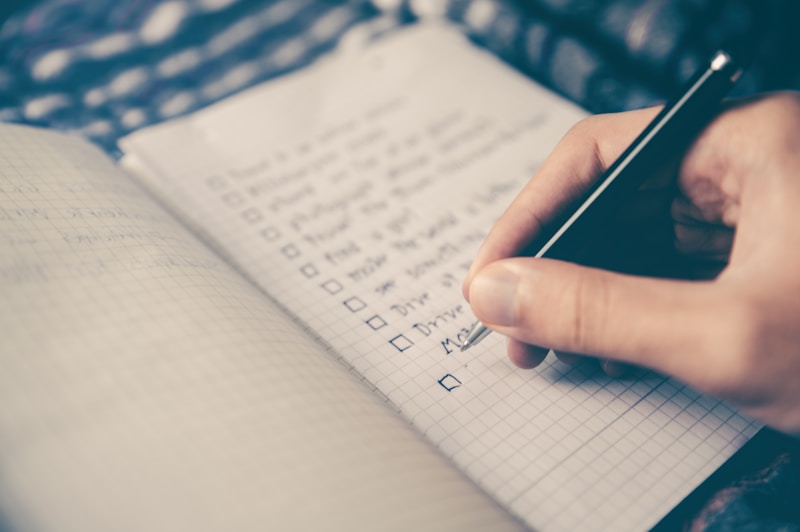
Welcome to our comprehensive guide for a stress-free relocation! Whether you're an expat embarking on a new adventure, a digital nomad seeking fresh horizons, or simply looking for a change of scenery, this guide is designed to help you navigate the complexities of international moving. With ReloMap.app as your trusted companion, let's get started on your exciting journey!
Pre-Relocation Planning: Setting the Foundation
1. Research Your Destination
The first step in a successful relocation is understanding your destination. Our [city-slug] destination guides provide valuable insights into living conditions, cost of living, job market, and cultural aspects of various cities worldwide. Familiarize yourself with the local customs, climate, and safety measures to ensure a smooth transition.
'''markdown
| City | Link |
|---|---|
| New York | /destinations/new-york |
| London | /destinations/london |
| Tokyo | /destinations/tokyo |
'''
2. Determine Your Budget
Creating a budget is crucial for managing the financial aspects of your relocation. Consider factors such as housing, utilities, transportation, healthcare, and education costs in your new city. Research average living expenses to help you plan accordingly.
3. Secure Housing
Finding suitable accommodation is a top priority when relocating. Whether you prefer apartments, houses, or shared accommodations, start your search early to avoid last-minute stress. Leverage online platforms and local real estate agents to find the perfect place for you.
4. Obtain Necessary Documents
Ensure that you have all the necessary documents in order before your move. This may include passports, visas, work permits, driver's licenses, and any other relevant paperwork. Research the requirements for your destination and gather all required documentation well ahead of time to avoid delays or complications.
5. Coordinate Moving Logistics
Organizing the transportation of your belongings is a critical part of the relocation process. Consider hiring professional movers who can handle the logistics, or research affordable shipping options for personal items. Remember to pack essentials separately for easy access during your travels.
During the Relocation: Keeping Things Running Smoothly
1. Arrange Temporary Accommodation
Arriving in a new city can be overwhelming, so it's important to have a temporary place to stay while you settle in. Look into short-term rentals or hotels that offer flexible stays, and plan to arrive a few days early if possible to give yourself time to find more permanent housing.
2. Set Up Utilities and Services
Once you've found a place to live, it's essential to set up utilities such as electricity, water, internet, and phone services. Research local providers and compare prices to find the best deals. Some providers may offer package deals that include multiple services for discounted rates.
3. Register with Local Authorities
Registering with local authorities is necessary to establish residency and gain access to essential services such as healthcare, education, and voting rights. Research the specific requirements for your destination and complete any necessary registrations promptly.
4. Explore Your New City
Relocation offers an exciting opportunity to discover a new place. Take time to explore your surroundings, meet new people, and immerse yourself in local culture. Joining social groups or attending events can help you settle in faster and make lasting connections in your new home.
Stay tuned for the second half of our relocation checklist guide, where we'll cover additional essential steps to help ensure a successful transition into your new life abroad!
Relocation Checklist Complete Guide (Second Half)
Comparison Table: Top 5 Cities for Relocation in 2023
| City | Cost of Living | Safety Index | Job Market | Quality of Life |
|---|---|---|---|---|
| Toronto, Canada | High | Moderate | Excellent | High |
| Berlin, Germany | Moderate | High | Good | Very High |
| Medellín, Colombia | Low | High | Fair | Very High |
| Bangkok, Thailand | Extremely Low | Moderate | Excellent | High |
| Sydney, Australia | High | High | Good | Very High |
Note: Cost of living is determined by a combination of housing, transportation, food, and entertainment expenses. Safety Index refers to the overall safety of a city based on crime rates. Job Market indicates the current job market opportunities, and Quality of Life considers factors like healthcare, education, culture, and environment.
Step-by-Step Practical Guide: Relocating to a New City
- Research: Study the chosen city's cost of living, safety index, job market, quality of life, and cultural fit.
- Visit: Spend some time in the city to experience its lifestyle and evaluate if it suits your needs.
- Find Housing: Look for a place to live that fits your budget and preferences, either by renting or buying property.
- Secure Employment: Apply for jobs in your field, and prepare for job interviews if necessary.
- Plan Transportation: Determine how you will get around the city (car, public transportation, bike, etc.) and plan for any necessary permits or registrations.
- Ship belongings: Organize shipping for your personal items, considering factors like cost, time, and insurance.
- Register important documents: Register with local authorities and update essential documents like driver's licenses, voter registration, and health records.
- Settle into the new city: Familiarize yourself with the community, find local amenities, and make connections to help you feel at home in your new location.
5 FAQ Q&A Pairs
- Question: What are some common challenges when relocating to a new city?
- Answer*: Adjusting to a different culture, finding employment, navigating unfamiliar transportation systems, and making new connections can all present challenges during the relocation process.
- Question: How do I handle the emotional aspect of leaving my old home behind?
- Answer*: It's essential to take time for self-care, seek support from friends and family, and embrace the excitement of starting a new chapter in your life.
- Question: What are some tips for finding affordable housing in a high cost-of-living city?
- Answer*: Consider shared accommodations, living further from the city center, or looking into less expensive areas with good public transportation connections.
- Question: How can I prepare my pets for relocation to a new city?
- Answer*: Consult with your veterinarian for any necessary vaccinations and health certificates, research pet-friendly accommodations and local vets in your destination city, and slowly introduce your pet to the idea of moving by providing them with familiar items and plenty of attention.
- Question: What are some essential items to pack when relocating to a new city?
- Answer*: Important documents (passport, driver's license, birth certificate), medication, valuable personal belongings, necessary clothing for the climate, and any electronics or appliances you can't easily replace at your destination.
Additional Resources for Your Relocation Journey
- SafetyWing offers travel medical insurance to ensure you're covered during your relocation process.
- Wise provides a multi-currency account, making it easier and cheaper to manage your finances in multiple currencies while abroad.
- Airalo offers affordable eSIM data plans for staying connected on the go during your relocation journey.
Detailed Cost Breakdown
| Category | Budget (per month) | Mid-Range (per month) | Luxury (per month) |
|---|---|---|---|
| Housing | €500 - €1,500 | €1,500 - €3,000 | €3,000+ |
| Utilities | €50 - €200 | €200 - €400 | €400+ |
| Internet | €15 - €60 | €30 - €80 | €80+ |
| Health Insurance | €30 - €200 | €100 - €400 | €400+ |
| Transportation | €50 - €300 | €150 - €600 | €600+ |
| Food | €150 - €400 | €300 - €700 | €700+ |
| Miscellaneous Expenses | €50 - €200 | €150 - €600 | €600+ |
Remember, these are rough estimates and can vary significantly based on factors like location, lifestyle, and personal preferences. It's essential to do thorough research about the cost of living in your destination city.
Practical Step-by-Step Guide
- Research: Learn about the culture, customs, climate, safety, job market, and cost of living in your chosen location.
- Decide on a Budget: Determine how much you can afford to spend monthly based on your savings, investments, or income from a new job.
- Find Accommodation: Look for housing options that fit within your budget and preferences (apartment, house, shared flat). Consider using online platforms like Airbnb for short-term stays while searching for long-term options.
- Sort out Legal Matters: Research the visa requirements for your destination country and apply well in advance to avoid delays.
- Arrange Health Insurance: Purchase international health insurance to cover you during your relocation period, such as SafetyWing (SafetyWing).
- Set Up Bank Account: Open a bank account in your new country to make managing finances easier and avoid high international transfer fees. Consider using Wise (Wise) for transfers between accounts.
- Get Connected: Purchase an eSIM or physical SIM card with local data and call services from providers like Airalo (Airalo eSIM).
- Ship Your Belongings: If you're bringing personal items, arrange for shipping through a reliable service provider. Research costs and compare quotes to find the best deal.
Insider Tips from Expats
- Do your research: Learn about the local culture, customs, and etiquette to help you settle in more smoothly.
- Network: Connect with other expats or locals through social media groups, Meetup events, or language exchange programs to build a support network.
- Take Care of Your Health: Prioritize your physical and mental well-being by maintaining a healthy lifestyle, eating balanced meals, exercising regularly, and seeking medical attention when necessary.
- Learn the Language: Even if English is widely spoken in your destination country, learning the local language will help you make connections and navigate daily life more comfortably.
- Adapt to Local Customs: Be open-minded and willing to adapt to new customs and traditions. This will help you fit in better and build strong relationships with locals.
- Travel: Explore your new surroundings, visit local attractions, and immerse yourself in the culture to make the most of your relocation experience.
Common Mistakes to Avoid
1. Failing to Research the Cost of Living
Before relocating, it's crucial to understand the cost of living in your new city. This includes housing, food, transportation, and healthcare costs. Ignoring this factor can lead to financial stress and hardship.
2. Neglecting Cultural Differences
Each city has its unique culture, customs, and etiquette. Overlooking these differences can lead to misunderstandings and potential social faux pas. Spend time learning about the local culture to avoid embarrassment and foster a smoother transition.
3. Not Planning for Moving Logistics Early Enough
Leaving moving logistics until the last minute can cause unnecessary stress and complications. It's essential to plan well in advance, including arranging for transportation of your belongings, finding temporary housing if necessary, and coordinating pet travel if applicable.
4. Ignoring Legal Requirements
Every country has its immigration laws and requirements. Failing to comply with these regulations can lead to legal issues, including deportation in some cases. Ensure you understand the visa requirements, residency permits, and any other legal obligations before moving.
5. Not Learning the Local Language
While English is widely spoken in many cities, it's not always the case. Learning basic phrases in the local language can help you navigate daily life more easily and show respect to the local community.
6. Forgetting Healthcare Considerations
It's important to research the healthcare system in your new city. This includes understanding how insurance works, finding a trusted doctor or clinic, and being aware of any necessary vaccinations or health risks.
7. Not Networking Before Arrival
Building a network can help you find job opportunities, make friends, and navigate your new city more easily. Try to connect with locals before arriving, through social media groups, expat forums, or professional networks.
8. Underestimating the Emotional Impact of Relocation
Relocating can be an emotionally taxing experience. It's essential to prepare for this and seek support if needed. This may involve talking to a counselor, joining support groups, or reaching out to friends and family back home.
Relocation Checklist Complete Guide vs Other Destinations
| Feature | Lisbon (Portugal) | Bangkok (Thailand) | Berlin (Germany) | Dubai (UAE) | Medellin (Colombia) | Prague (Czech Republic) |
|---|---|---|---|---|---|---|
| Cost of Living | Affordable | Low | Moderate | High | Very affordable | Moderate |
| Climate | Mediterranean | Tropical | Temperate (cold winters) | Arid (hot summers, cool winters) | Tropical | Temperate (cold winters) |
| Job Market | Growing in tech and tourism | Strong in manufacturing and services | Robust in technology, education, and healthcare | Booming in finance, real estate, and tourism | Growing in tech, tourism, and services | Thriving in tech, manufacturing, and services |
| Quality of Life | High | Good | Very high | High | High | High |
| Safety | Generally safe | Safe | Very safe | Safe with some concerns | Safe | Safe |
Each city offers unique opportunities and challenges, so it's essential to research and consider these factors when choosing your next destination. Lisbon, Bangkok, Berlin, Dubai, Medellin, and Prague all have their own advantages and disadvantages, so make sure to do thorough research before making a decision.
Resources & Useful Links
- Government Immigration Websites: These sites provide information on visa requirements, work permits, and residency for your chosen destination. Example
- Expat Forums: Online communities can offer valuable advice and support from people who have already relocated to your desired city. Example
- Relocation Services: Companies that specialize in helping individuals and families move to a new country can provide assistance with everything from finding housing to settling in. Example
- Cultural Awareness Guides: These resources can help you understand the customs, etiquette, and social norms of your new city. Example
- Job Boards: Websites that list job opportunities in various industries and locations can be a valuable resource when searching for work in your new city. Example
Frequently Asked Questions
#### How much does it cost to live as a digital nomad?
Living expenses can vary significantly depending on the destination. For instance, in Bali, Indonesia, you might spend around €1,000 per month for accommodation, food, and entertainment. On the other hand, cities like Berlin, Germany, or Prague, Czech Republic, could cost around €1,500 to €2,000 per month. Remember to factor in additional costs such as travel insurance, coworking space fees, and visas.
#### What visa do I need?
Many destinations offer specific visas for digital nomads. For example, Portugal has the "D7" visa, while Estonia offers the "Digital Nomad Visa." Research the visa requirements and application process for your preferred destination to ensure a smooth transition.
#### Is it safe for solo travelers?
Safety can be a concern, but most digital nomad destinations have low crime rates. For instance, in Chiang Mai, Thailand, and Lisbon, Portugal, safety is generally good. Always take precautions like avoiding deserted areas at night and securing your belongings.
#### How is the internet for remote work?
Fast and reliable internet is crucial for digital nomads. In popular destinations like Bali, Chiang Mai, and Lisbon, you can expect speeds of around 25-100 Mbps, which should suffice for most remote work tasks.
#### What about healthcare?
Healthcare systems vary across the world. Some countries have excellent public health services, while others rely on private clinics. A good option for digital nomads is international travel medical insurance, such as SafetyWing.
#### How do I send money abroad?
Transferring money internationally can incur high fees and unfavorable exchange rates. Services like Wise offer lower fees and competitive exchange rates, making them a popular choice for digital nomads.
#### Do I need a local SIM card?
Having a local SIM card with data can save you roaming charges. Consider getting a prepaid SIM from providers like Airalo, which offer affordable plans for digital nomads.
Final Thoughts
Embarking on a digital nomad journey requires careful planning and preparation. By following this relocation checklist, you'll have a solid foundation to build your new life as a digital nomad. Remember to research visa requirements, living expenses, and safety in your chosen destination. Ensure you have reliable internet and healthcare coverage, and consider using services like Wise for money transfers and Airalo for local SIM cards.
As you embark on this exciting adventure, remember that the world is your office. Embrace new cultures, connect with fellow digital nomads, and make the most of every opportunity. Good luck, and happy nomading! 🌴🌍✈️